How to Prevent Electric Vehicle Battery Range Loss in Cold Winter Weather

How to Prevent Electric Vehicle Battery Range Loss in Cold Winter Weather

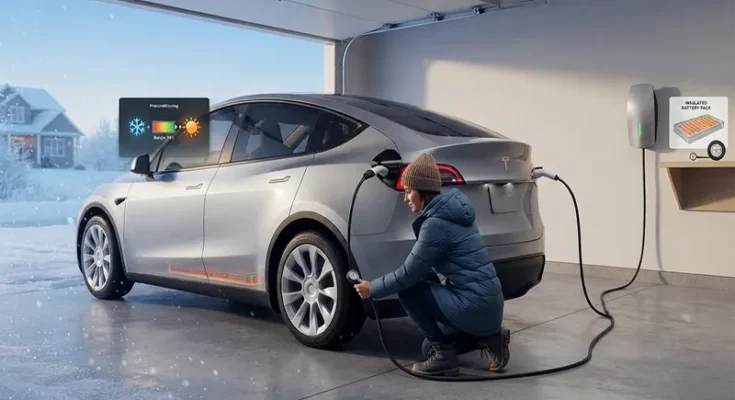
Sliding behind the wheel of an electric vehicle (EV) on a crisp winter morning can bring an unwelcome surprise. When freezing temperatures take over, drivers often notice their digital range estimates plummeting unexpectedly. Freezing conditions can temporarily slash driving range by 20% to 40%, forcing drivers to rethink their daily routines.

Understanding the science behind this winter dip—and mastering proactive charging habits, smart pre-conditioning routines, and efficient climate settings—allows you to reclaim your lost range and keep your EV running efficiently all season long.

The Science of Cold: Why Batteries Lose Range in Winter

To combat winter range loss effectively, it helps to understand what is happening inside the vehicle. Lithium-ion batteries rely on electrochemical reactions to store and release energy. When temperatures drop, internal electrical resistance increases significantly, slowing down those chemical reactions and temporarily reducing the battery pack’s available power output and capacity.

Compounding this chemistry issue is …

How to Prevent Electric Vehicle Battery Range Loss in Cold Winter Weather Read More
Rotating Seats and Modular Living Spaces in Autonomous Luxury Car Interior Concepts

Rotating Seats and Modular Living Spaces in Autonomous Luxury Car Interior Concepts

For over a century, the interior architecture of the automobile has been bound by a single rigid constraint: the human driver. Every seat, dash panel, and control surface was meticulously arranged facing forward, optimized for the singular task of steering down a highway. Today, as software-driven autonomy marches steadily toward reality, that foundational constraint is dissolving.

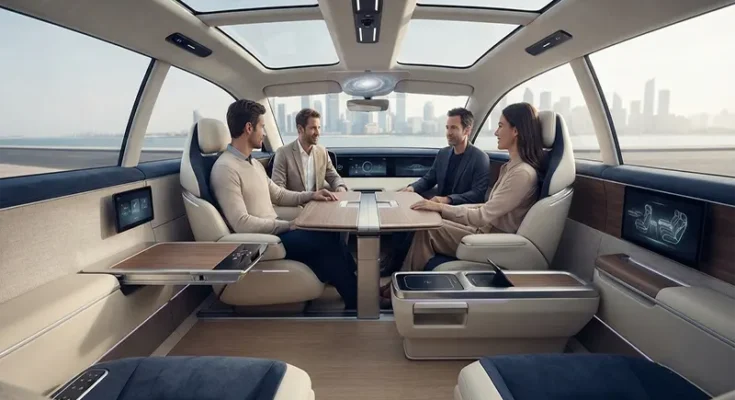
When human drivers are permanently relieved of steering duties, the purpose of the car cabin changes entirely. Autonomous vehicle (AV) concepts featuring rotating seats and modular layouts are redefining luxury, transforming transit time from a high-vigilance chore into mobile productivity and relaxation sanctuaries.

The Death of the Traditional Cockpit

To grasp the scale of this design revolution, one must look at how Level 4 and Level 5 autonomous driving systems alter vehicle packaging. In a fully autonomous vehicle, the steering wheel, foot pedals, and fixed instrument clusters become obsolete dead weight.

Without the need …

Rotating Seats and Modular Living Spaces in Autonomous Luxury Car Interior Concepts Read More
Why Automakers Are Bringing Back Physical Buttons to Car Dashboard Designs

Why Automakers Are Bringing Back Physical Buttons to Car Dashboard Designs

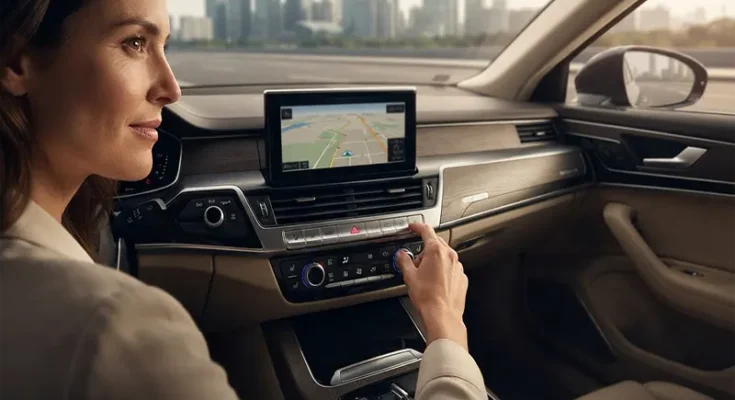
Over the past decade, sliding into the driver’s seat of a newly released vehicle often felt like stepping inside a minimalist sci-fi movie set. Sleek, glass-heavy digital displays replaced traditional dashboards, sweeping away dials, toggles, and switches in favor of expansive touchscreens. Automakers chased the futuristic aesthetics popularized by consumer electronics, cutting production overhead and packaging climate controls, audio adjustments, and vehicle settings into smooth digital menus.

However, the honeymoon phase of digital minimalism has officially ended. Faced with mounting consumer frustration, distracted driving crises, and shifting regulatory frameworks, automakers are actively reversing course. The physical button is making a triumphant return to car interiors, driven by a renewed commitment to safety, tactile ergonomics, and intuitive usability.

The Touchscreen Overload: A Decade of Digital Minimalism

The wholesale digitization of car cabins was born out of a desire to modernize. Influenced by smartphones, manufacturers realized that glass screens could be updated …

Why Automakers Are Bringing Back Physical Buttons to Car Dashboard Designs Read More
How to Refinance an Existing Auto Loan to Lower Your Interest Rate

How to Refinance an Existing Auto Loan to Lower Your Interest Rate

Inflation, fluctuating financial markets, and personal financial milestones mean that the car loan you signed a year or two ago might no longer serve your best interests. If you locked in a high Annual Percentage Rate (APR) at the dealership or watched your personal credit score climb significantly since purchasing your vehicle, you are likely paying more in finance charges than you need to.

Auto loan refinancing is a powerful financial tool that replaces your current high-interest loan with a brand-new agreement featuring more favorable terms. Successfully executing a refinance can dramatically reduce your monthly commitments and save you thousands over the life of the loan.

When Does Auto Loan Refinancing Make Sense?

Refinancing is not a universal fix for every auto loan; timing and macroeconomic conditions dictate whether the math works in your favor.

  • Improved Credit Score: If your credit score has jumped a tier or two since you
How to Refinance an Existing Auto Loan to Lower Your Interest Rate Read More
Why Extended Range Electric Vehicles and Plug-In Hybrids Are Dominating Auto Sales

Why Extended Range Electric Vehicles and Plug-In Hybrids Are Dominating Auto Sales

The global transition toward vehicle electrification has entered a fascinating new phase. For years, the market narrative operated on a rigid, all-or-nothing approach, framing the future entirely around pure battery-electric vehicles (BEVs). However, consumer habits, infrastructure bottlenecks, and economic realities have reshaped showroom floors.

The undisputed rising stars of modern auto sales are Plug-In Hybrid Electric Vehicles (PHEVs) and Extended Range Electric Vehicles (EREVs). By successfully combining daily emission-free electric driving with a gasoline backup, these powertrains are capturing massive market share by completely eliminating range anxiety and charging friction.

Defining the Powertrains: PHEVs vs. EREVs

While both vehicle types bridge the gap between internal combustion and full electrification, their internal mechanical designs differ significantly:

  • Plug-In Hybrid Electric Vehicles (PHEVs): PHEVs feature a blended architecture combining a traditional internal combustion engine (ICE) with an electric motor and battery pack. Both the electric motor and the gas engine can mechanically drive
Why Extended Range Electric Vehicles and Plug-In Hybrids Are Dominating Auto Sales Read More